
Living along Florida’s Treasure Coast offers incredible sunshine, but our warm, subtropical climate also presents unique challenges for home maintenance. Shifts in weather—especially high humidity, heavy rains, and seasonal storms—frequently disrupt natural pest habitats outside, driving insects and rodents toward residential and commercial structures in search of shelter, dry ground, and food sources.
Taking a proactive, educational approach to property maintenance is the most effective way to prevent costly structural damage and keep your living spaces comfortable year-round.
1. How Climate and Weather Drive Pests Indoors
Florida’s climate creates an ideal environment for biological activity throughout the year. However, specific environmental triggers accelerate movement into homes:
- Heavy Rain and Rising Water Tables: Heavy rainfall saturates the soil, driving subterranean species and ground-nesting insects upward. Seeking higher and drier ground, they often find entry points along foundations and utility penetrations.
- Overgrown Vegetation and Canopy Trails: Tree branches touching rooflines or fence structures serve as elevated bridges for climbing rodents and crawling insects, giving them direct access to attic vents and soffits.
- Humidity and Moisture Accumulation: Excess moisture around irrigation heads, clogged gutters, or AC condensation lines creates ideal breeding zones right against your home’s perimeter.
2. Key Areas to Inspect for Preventive Protection
Conducting regular visual checks around your property can help you identify vulnerability points before minor issues escalate:
- Rooflines and Soffits: Ensure attic vents are properly screened and that there are no gaps where fascia boards meet the roofline.
- Doors and Windows: Check weatherstripping along exterior doors and garage entry points. If light shines through beneath a closed door, entry is possible.
- Foundation and Exterior Walls: Inspect plumbing penetrations, cable entry holes, and exterior stucco for cracks or unsealed gaps.
📊 Comparison Table: Reactive DIY Fixes vs. Comprehensive IPM Maintenance
| Feature | Reactive DIY Methods | Integrated Pest Management (IPM) |
| Approach | Responds only after activity is visible | Focuses on prevention, inspection, and perimeter protection |
| Coverage | Spot-treats surface areas | Evaluates structure, entry points, and environmental factors |
| Long-Term Impact | Temporary relief; root causes remain | Sustainable protection through targeted maintenance plans |
| Safety & Precision | Over-reliance on generic consumer products | Professional, eco-friendly, and targeted applications |
3. The Value of Professional Inspection and Maintenance
While basic homeowner upkeep—such as trimming trees and cleaning gutters—is crucial, professional Integrated Pest Management (IPM) provides the technical expertise needed to secure a structure long-term.
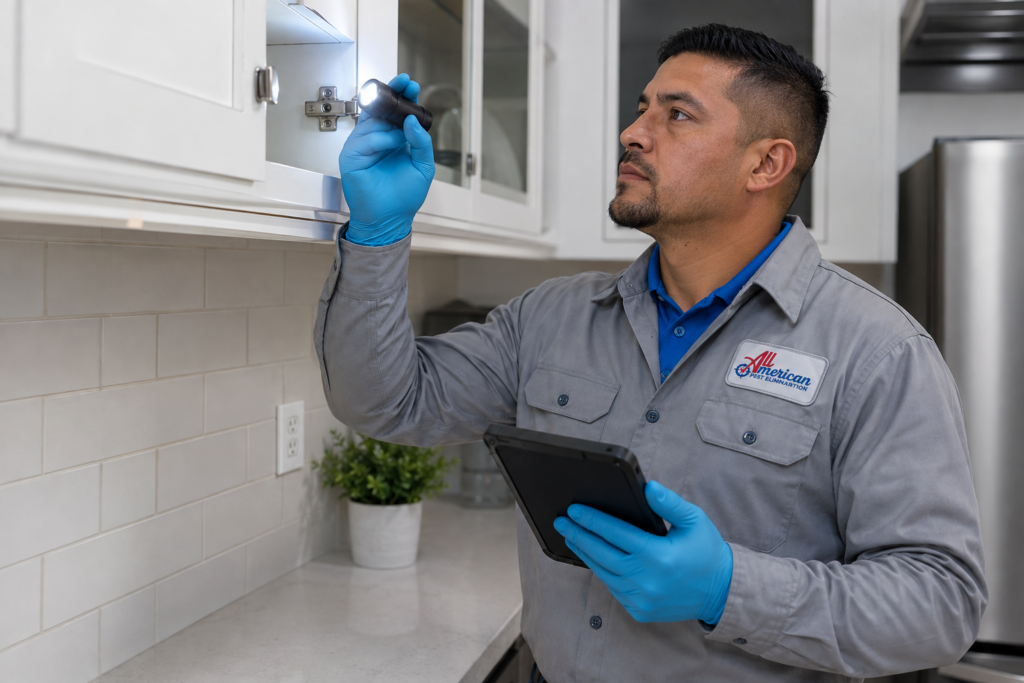
At All American Pest Elimination, our certified technicians go beyond surface treatments. We evaluate structural vulnerability, identify hidden nesting conditions, and apply targeted, eco-friendly perimeter barriers designed to keep your home protected across every season.
Protect Your Investment Today
Don’t wait for seasonal weather changes to compromise your peace of mind. A comprehensive property inspection is the best first step toward long-term protection.
📍 Service Areas: Proudly providing expert preventive inspections and customized maintenance plans across Port St. Lucie, Fort Pierce, Stuart, Vero Beach, Okeechobee, and Indiantown, FL.
📞 Contact Our Certified Team Today: Call us at +1 (772) 259-1976 to speak directly with our specialists and schedule your comprehensive property estimate.